Healthcare Commercial Real Estate
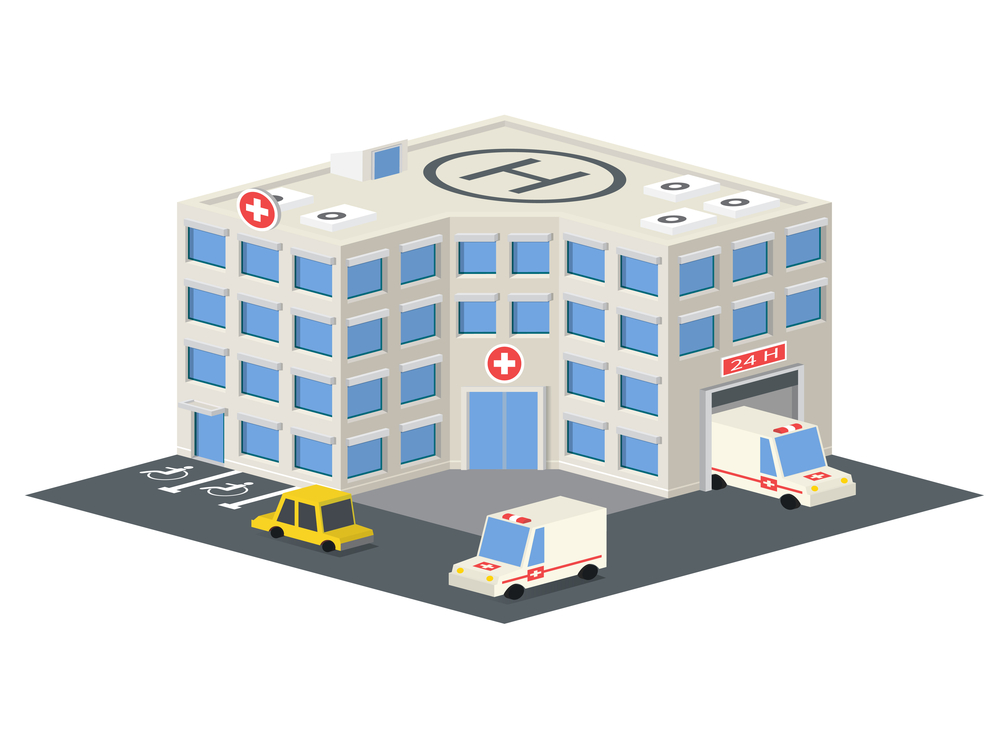
Ask anyone what they think of a hospital, and almost always, you will hear them talk about a massive white building, the smell of drugs, and an atmosphere of sickness fighting not to be treated. However, that is changing rapidly, and it may not be the answer you get at all in a few years to come. Today, hospitals and healthcare systems are gaining importance in the retail industry, bringing patients more affordable and convenient care while maximizing their profits. Patients are now seen as consumers, and to satisfy them, the healthcare systems are now aware that they must provide the right blend of services. Furthermore, real estate has and will continue to help the healthcare system to cut down on time and money spent on in-person care and put it to greater use in other areas that demand it.
How COVID-19 Affected Healthcare Real Estate?
Of course, we cannot talk about healthcare commercial real estate in recent times without looking at the most significant factor that has provoked its growth – the pandemic of late 2019, COVID. Early in the pandemic, healthcare service delivery faced a considerable challenge that caused many disruptions. The healthcare systems didn’t know that their challenges would lead to so much growth. The pandemic did wind down, but the change it brought about remains and will augur well for the future of healthcare real estate.
Growth In Hospital-At-Home Services
One of the outcomes of the COVID-19 pandemic is the growth it brought about regarding hospital-at-home companies. The hospital-at-home medical companies have primarily grown, offering people who would otherwise need in-patient care in a traditional hospital setting the ability to receive critical care in their homes.
Growth In Outpatient Centers
In addition, there’s also been growth in outpatient clinics post COVID-19. Care usually provided in more expensive hospitals has shifted to more affordable outpatient clinics. Since many people did not feel comfortable going to large hospital campuses where they could potentially and easily contact the coronavirus, they considered ambulatory care settings. In the wake of this, the people began to place more value in the suburban clinics closer to their homes, placing more trust in them to deliver top-notch services, which they did. As the suburban clinics proved their worth, people have continued going to them even as the pandemic has reduced significantly. This will lead to more clinics being built, adding to the numerous properties owned by the healthcare systems.
Growth In Medical Technology
We must also agree that between now and when the pandemic first started, medical technology has rapidly evolved to combat diseases. The evolution of technology has dramatically impacted the shift of healthcare from traditional hospital settings to outpatient care, bringing about a decentralized healthcare system. The momentum in a shift of in-patient to outpatient care caused by technology is seen clearly in the numerous surgeries and medical procedures that were only performed in traditional hospitals but are now also safe to perform in outpatient stations. This is supported by improvements in minimally invasive procedures and new anesthesia techniques. Such improvements have drastically reduced surgical complications, allowing patients to return to the comfort of their homes sooner than they did in the past.
Growth In MOBs
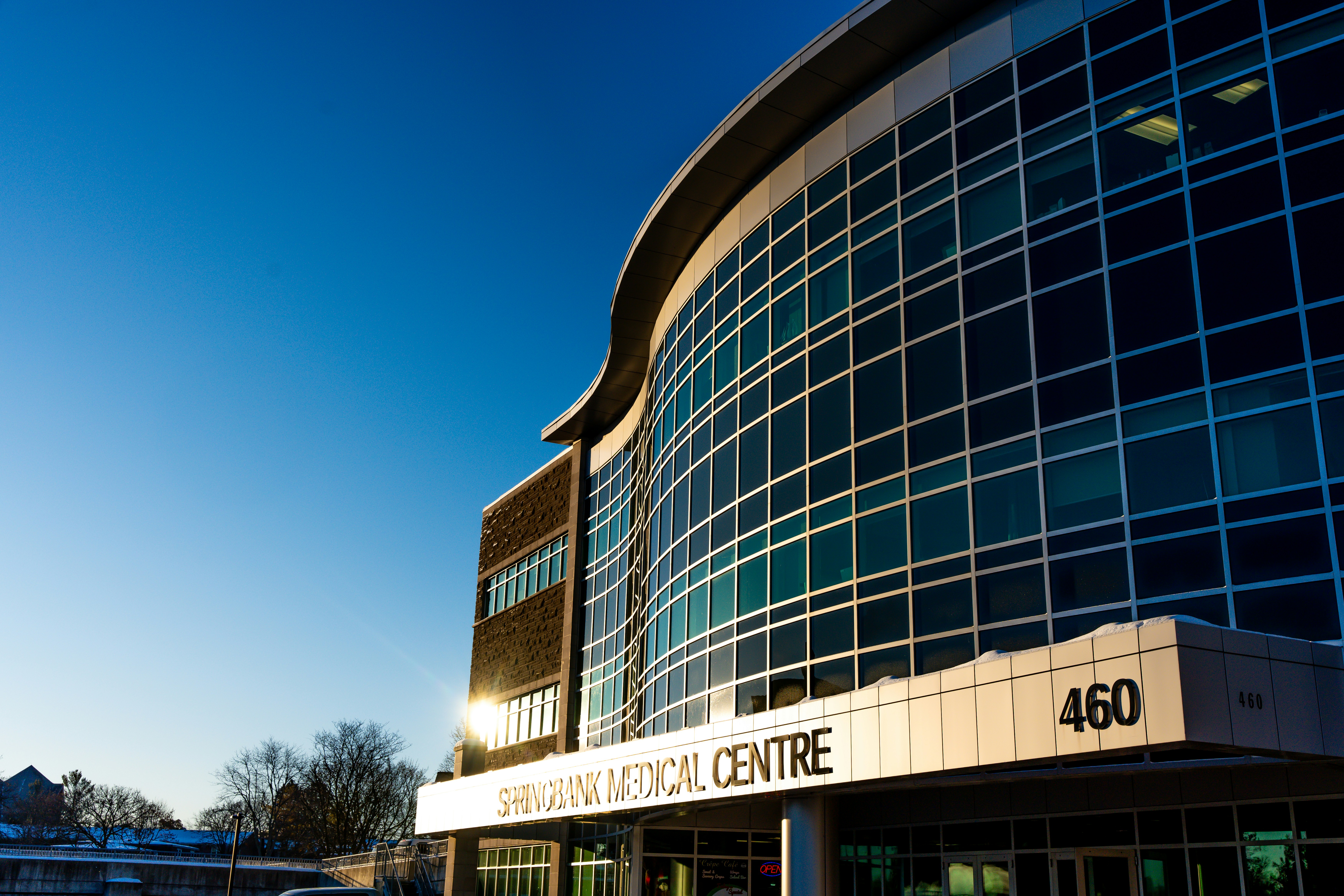
Medical office buildings have seen the most growth as far as healthcare commercial real estate is involved. Healthcare commercial real estate through medical office buildings has offered healthcare providers relief from the pressure they face to “green” their operations. From energy reduction strategies like the introduction of LED lighting, use of natural light, and solar systems, medical office buildings have been designed to offer high sustainability. The good thing about medical office buildings is that every office in the building is used for healthcare, so attention is paid to designing the buildings to fit only the needs of healthcare providers and their patients. This offers a more stable environment for the healthcare tenants and the landlords.
Conclusion
All the above give a positive outlook for the healthcare sector. Therefore, investors are now encouraged to invest in healthcare commercial real estate. This will put more money in their pockets in the long run, but it’ll add substantially to the sector’s growth in the short run. The world is changing, and everything with it. Healthcare has finally found a way to meet real estate without compromising the authenticity of its systems. The healthcare sector will continue to grow, focusing on hospital-affiliated properties and smaller medical office buildings. Thankfully, our team of investment professionals at HCRealtyGroup is here to guide you in selecting the best possible properties to expand your portfolio and grow your sources of finance.