
For many people, this time of the year is one of hope. Whether that sentiment stems from religious belief or expectation of good fortune in the new year, there’s an anticipation of good things to come. That feeling is punctuated as society awaits new vaccines and is filled with the desire to make COVID-19 a thing of the past.
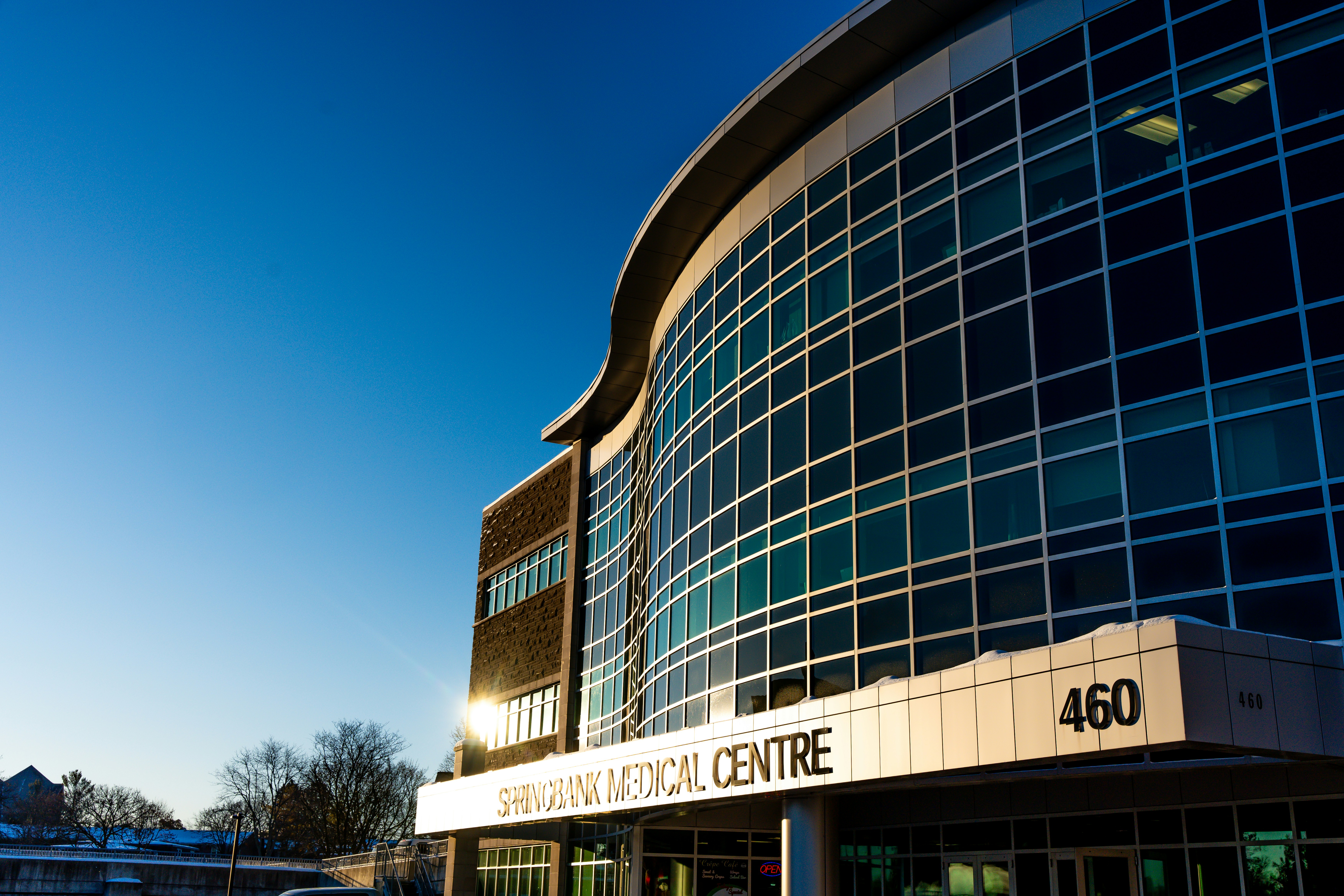
Commercial real estate investors who’ve struggled with this pandemic are also filled with hope for a stable economy and less volatility. But, while the news media is filled with overblown stories of businesses leaving cities and the downturn of brick-and-mortar retail, opportunities do still exist now. Industrial, for instance, is booming as online retailers look for warehousing and last-mile distribution. Multifamily housing has also shown promise in specific locales as people continue to immigrate or seek suburban living options from which they can carry on work-from-home activities. One sector has come to be referred to as a “safe haven”: medical office buildings, or MOBs.
Investors with tepid feelings, caused by COVID-19, toward asset classes such as retail and hospitality have developed an interest in the MOB space.
According to an Industry Insights Medical Office Building Quarterly Update for the third quarter of 2020 published by Hammond Hanlon Camp LLC, medical office space is still a leading sector. Despite compression in much of the commercial real estate industry, medical office buildings made up over 24% of transaction volume in the recent third quarter.
Medical Office Space Is Resilient
According to the Bureau of Labor Statistics, healthcare employment is projected to grow 15% from 2019 to 2029. This bypasses all other occupations and will account for 2.4 million new jobs. That’s good news for MOBs. The more healthcare is in demand, the greater the need for office space for clinicians. Unlike many other industries that can work in a remote environment, healthcare, for the most part, still requires a physical meeting between the patient and the provider. This increases the need for community-based, provider-filled medical office buildings.
While healthcare jobs are a factor in driving medical office space, other forces are at work too:
Aging Baby Boomers
As a population segment representing nearly a quarter of the United States, baby boomers represent the largest group in need of healthcare. Born between 1946 and 1964, this group represents a wealthy, active citizenry working longer and demanding preventive healthcare and wellness services that will keep them this way.
Mixed Tenancy
Medical office buildings are no longer as homogeneous as they once were. Today, it’s not uncommon to find professionals with different specialization areas sharing buildings and sometimes even the same office. Cardiologists pair with exercise physiologists and nutritionists, and chiropractors often team with massage therapists or other holistic practitioners. This mix of complementary practices drives tenancy and also protects against ebbs and flows in the economy.
Creditworthy Tenants
Medical office building tenants tend to be extremely creditworthy. That lowers the risk of defaults or slow payments. This also means that medical practitioners are good candidates for prime locations, whether near hospitals or in multipurpose business districts alongside other creditworthy businesses.
As 2020 comes to a close and we usher in 2021, keep in mind that there are genuine commercial real estate investment opportunities. If you’re considering a safe haven or a chance to diversify your portfolio, be sure to contact a CRE professional today. After all, while this is the season of hope, it is also one of new beginnings.
This article originally appeared in Healthcare Realty Group’s December 2020 newsletter. Its pandemic discussion, transaction-volume figure, employment forecast, investment commentary, and property listings reflect the original publication date and may no longer be current.