
There is little question that the COVID-19 pandemic has introduced a great deal of uncertainty and volatility to our lives. The real estate market, of course, has not been immune to these effects.
As a result of this environment of uncertainty and caution, real estate expansion plans have been halted, sometimes even cancelled, and decisions regarding future real estate projects have been delayed.
In some cases, those businesses which experienced forced closures even found it impossible to afford their lease payments, and commercial property owners have often been left to deal with the aftermath.
Even health care real estate, which is in many ways quite distinct from other types of commercial real estate, has felt some of these effects.
As a result of social distancing, stay-at-home orders, and fear of exposure, patient volume for many types of health care demand has diminished somewhat. Mergers and acquisitions have stalled, and it appears that fewer hospital development and expansion projects, as well as medical office building constructions, will be set in motion this year, with only those that were already in the pipeline being generally allowed to finalize.
Furthermore, improvements to telemedicine, and an increased reliance on this form of medical care, have to some degree affected our panorama for the health care real estate business moving forward.
Senior housing, which is such a key component of Florida’s health care real estate repertoire, will certainly suffer the most. There is no reason to expect new starts to break ground, and existing facilities struggle to even draw in potential residents, as fears of COVID-19 exposure inhibit the players on both the supply and demand side. Naturally, this does not bode well for the growth and profit models of senior housing facilities in the short- to medium-term.
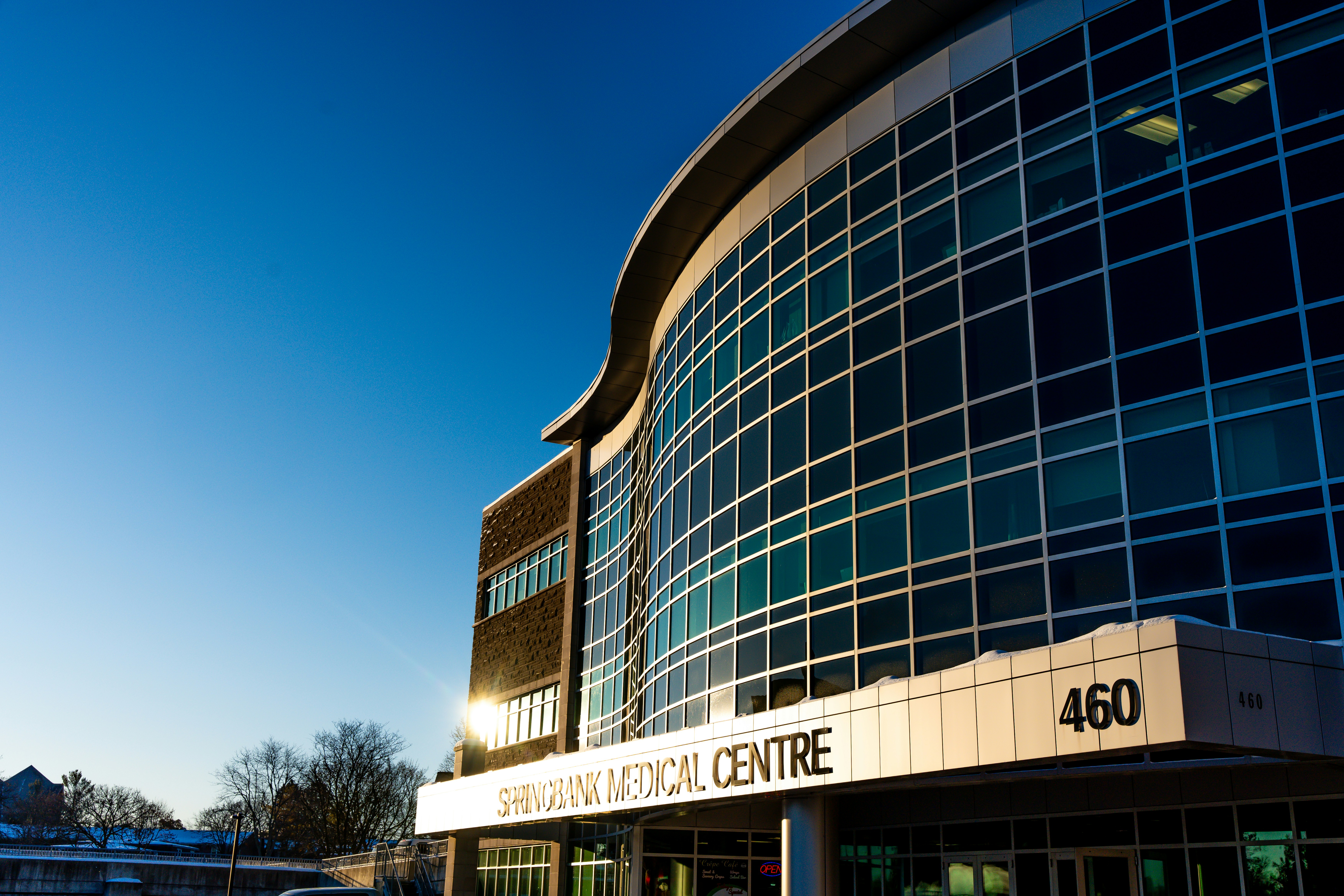
Yet, while there is little question that certain asset types will not recover anytime soon, there is much reason to believe that, due to the critical role they play, medical offices will continue to be critical to both health systems and investors, and may well thrive as a result.
Before the pandemic, the trend was unmistakable: with steadily increasing rates of outpatient visits, medical office buildings had been gaining in prominence and popularity. This, coupled with the waning dominance of REITs, meant that investors were drawn towards medical office real estate as a great investment channel.
Likely in no small part as a result of this, medical office transactions were largely allowed to proceed this year. To be sure, there have been changes, including the aforementioned shift to telehealth, as well as changes in protocols and a diminishing, and sometimes outright discontinuation, of routine care.
However, the bottom line is that occupancy at medical office space across the United States has remained extraordinarily consistent, and consistently high over the past decade, up to and including this pandemic-ridden year. This is all the more surprising when we consider the sheer volume of medical office space across the United States, around 1.5 billion square feet spread out across over thirty thousand properties.
This high and unyielding demand for this kind of real estate, coupled with the proclivity of medical offices towards long-term leases, steady occupancy and revenue, and high tenant retention, all combine to result in a pillar of health care real estate that has proven to even be generally pandemic-proof in the bottom line. Even while other medical real estate operations had to slash and burn, medical office tenants continued to pay their rents even during the intense lockdown periods, further highlighting the appeal and attractiveness of medical office real estate and underscoring the fact that this is a sector that is truly poised to grow. Even in the midst of all this uncertainty, this much appears certain.
This article originally appeared in Healthcare Realty Group’s October 2020 newsletter. Property listings in the original issue are historical and may no longer be available.