
The future healthcare system can learn from retail’s ongoing reinvention, including embracing flexibility, providing consistent patient experience, and incorporating customer-centered experiences. Investors and providers that focus on community-based delivery and utilizing non-traditional environments are poised for success in a dynamic environment.
As an industry, retail generally has the same customer base as healthcare, meaning all people shop and all people need healthcare. While that observation teeters on the brink of being overly generalized, the overlap between the targeted audiences is substantial. In fact, according to Future Market Insights, the market for walk-in clinics, which seem to set up shop in retail space regularly, will exceed $8 billion by 2028. Where things differ is the emphasis that retail is putting on customer experiences:
- Retail is re-purposing existing space to include entertainment, food courts, and escape rooms to drive foot traffic.
- Through technical innovation, curbside pickup and on-demand delivery are meeting consumers’ needs, and pop-up locations create excitement for products and services centered around seasons and holidays.
- Is this type of innovation directly applicable to healthcare? No. But the point is that retail is innovating, and healthcare should too. Healthcare providers need to focus on visibility, foot traffic, and co-tenancy with other non-health businesses. Is it so far-fetched to believe that a Whole Foods customer might be the particular type of customer a certain type of provider is seeking?
Emphasis on Relationships
For decades, retailers have been using loyalty programs to keep consumers returning to their establishments. Nowadays, it’s an unusual grocery trip that doesn’t include a cashier asking if you have a rewards card. In turn, we eagerly flash one of the numerous key tags we carry or offer up our phone number. Retail has conditioned us that our loyalty brings rewards.
Medical practitioners are coming to accept that building relationships with their patients is crucial. Part of that relationship equation means offering services during hours that accommodate busy lifestyles and adhering strictly to appointment times. But reaching the healthcare consumer also means being present and visible even when the patient isn’t sick. Undoubtedly, this was the motivation for Casto Southeast’s Center Point project in Sarasota. The mixed-use development will include healthcare alongside office space, hospitality, and a collection of retail logos. Westshore Plaza in South Tampa takes the combined space idea further and will be re-developed as what its owners are calling an “innovation community.” The 100-acre site will be named RITHM at Uptown, which stands for Research, Innovation, Technology, Habitat, and Medicine.
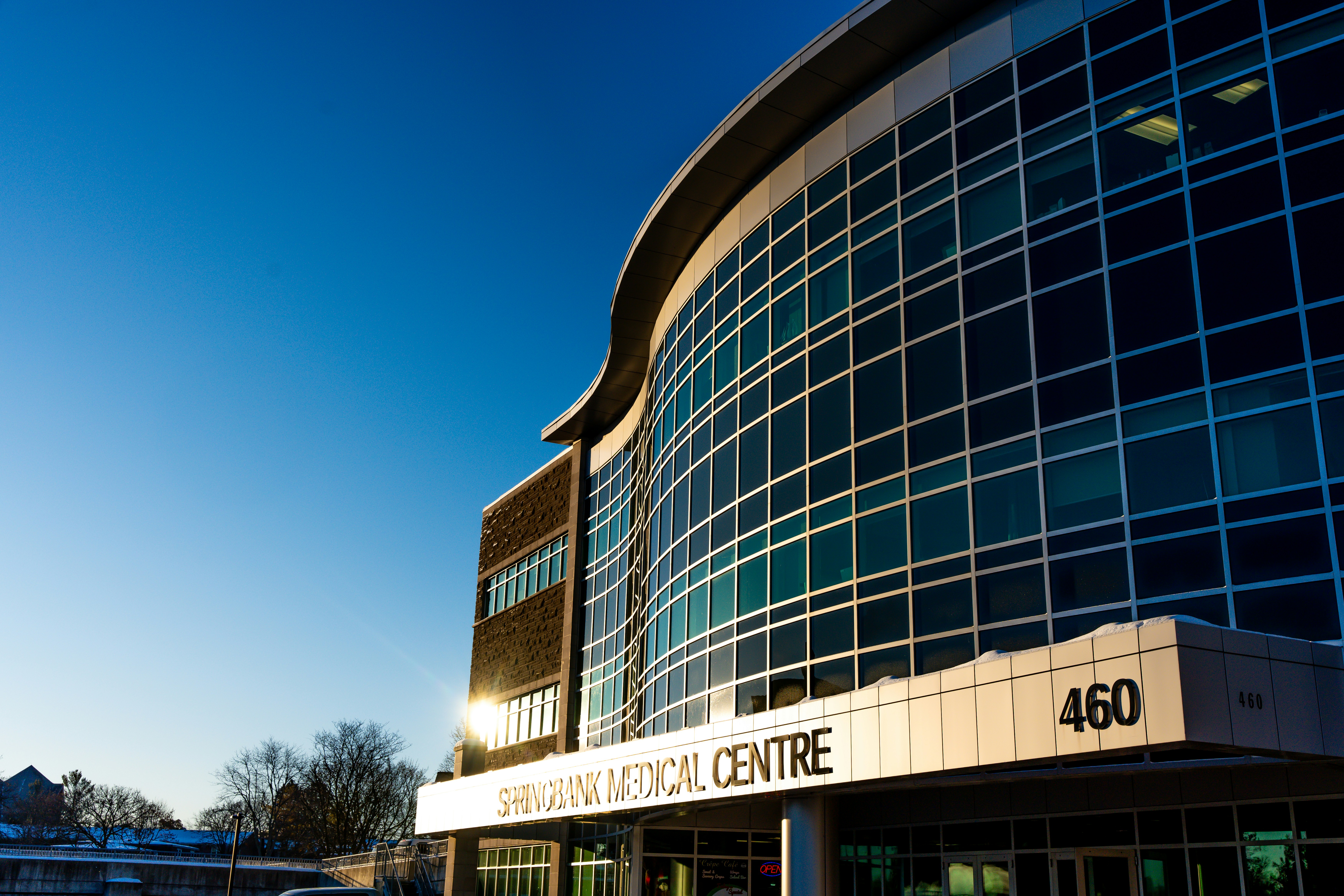
Setting up a practice in a high-rise medical office space is nowhere near as visible as creating clinical space in a retail center. Retail customers passing a clinic, physical therapist, or optometrist’s office in the course of a shopping trip are reminded of the relationship they have with their caregiver.
Pandemic Spurs Change in Healthcare Real Estate
Most naturalists and conservationists will tell you that forest fires are a critical part of a healthy ecosystem. The fire clears detritus from the forest floor and returns essential nutrients to the soil. As a result, new, healthy environments are created for plants and animals.
Over the last year and a half, hospitals and other healthcare settings have gone through their own renewal. Stressed to their breaking points by COVID-19 and aging populations, providers have intensified their efforts to keep up and bring health care to where people are. To do this, technology has played a role in the form of telemedicine, phone appointments, mobile health, and other ad hoc intervention. While these virtual approaches have worked for some, brick-and-mortar facilities have had to adjust as well.
First came make-shift solutions, but in the long term, practitioners will seek out buildings that have flexible spaces that adjust to the patient acuity chain. Settings that maximize the patient experience with easily navigable treatment flows and workflow management will be essential. Other infrastructure concerns will center on spaces that include spaces for isolation treatment areas and specialized HVAC systems that can create negative pressure and better airflow. Smaller “free-standing” emergency departments like that which Bayfront Health is developing in St. Petersburg are yet another patient-centered twist on medical office space that will bring care closer to the community.
If you’re looking to create new experiences in healthcare real estate, be sure to contact a CRE professional today. A firm specializing in the sector will advise you best and point you in the direction of the most suitable opportunities.
This article originally appeared in Healthcare Realty Group’s October 2021 newsletter. Property listings in the original issue are historical and may no longer be available.